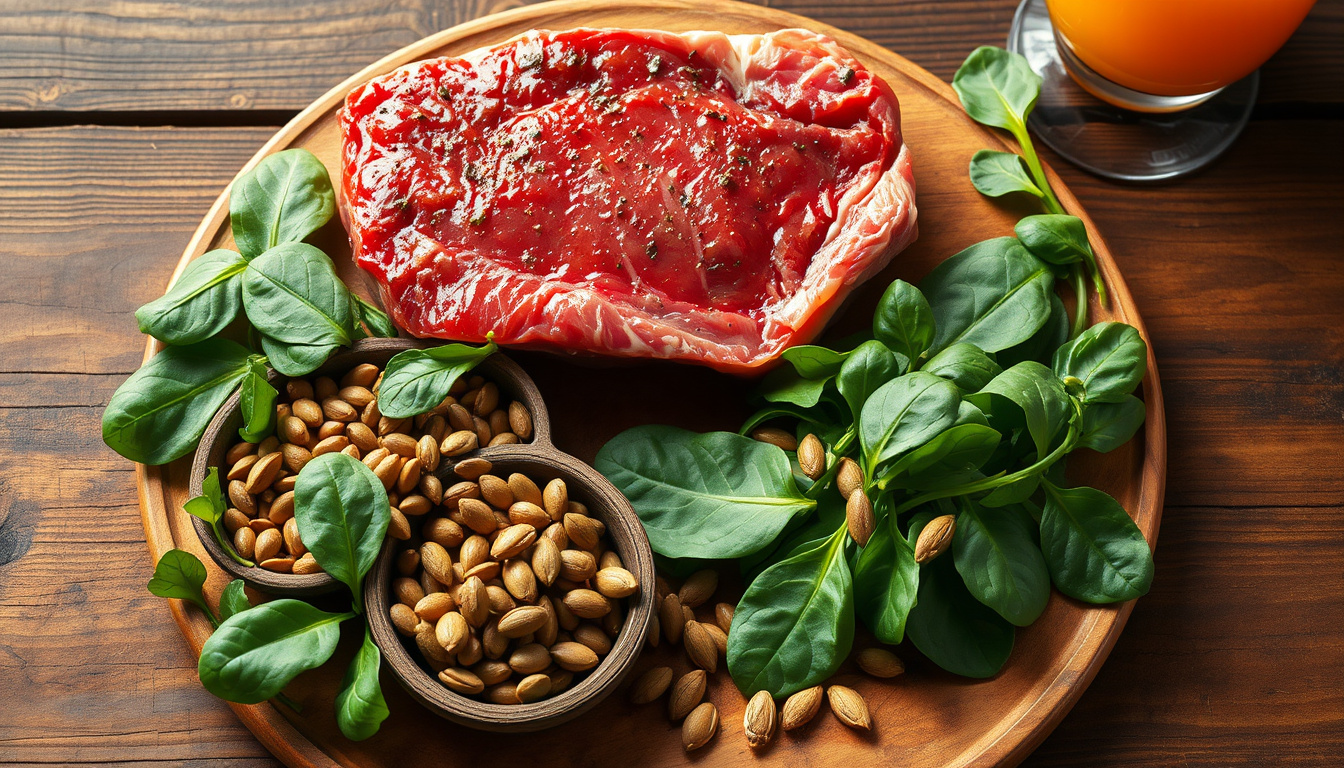
Feeling run down might be your body’s quiet signal that iron is running low. This guide breaks down the best high iron foods across meat, plants, and fruits, with practical steps to raise your levels fast. Whether you’re vegetarian, fighting anemia, or just trying to eat smarter, the evidence-based strategies here can help you build a diet that actually works.
Daily iron requirement for adult women: 18 mg ·
Iron in 3 oz beef liver: 6.5 mg ·
Iron in 100 g spinach: 3.6 mg ·
Iron absorption boost with vitamin C: up to 6 x
Quick snapshot
- Heme iron from meat, fish, and poultry is absorbed at 15–35 % (NIH Office of Dietary Supplements)
- Non‑heme iron absorption (2–20 %) is boosted by vitamin C (HealthLink BC)
- Liver is the single richest dietary source of iron (GoodRx)
- Exact bioavailability varies with an individual’s iron stores
- Long‑term effects of high iron from supplements vs. whole foods
- Absorption boost occurs within 1–2 hours of consuming vitamin C alongside non‑heme iron (American Red Cross)
- Check with a doctor if fatigue or pale skin persists; consider supplements only after blood tests
Five categories, one standout: organ meats, leafy greens, legumes, dried fruit, and seeds deliver the highest iron density per serving. Here’s how they stack up.
| Food | Iron (mg) | Serving size | Type |
|---|---|---|---|
| Beef liver | 6.5 | 3 oz (85 g) | Heme |
| Spinach (cooked) | 3.6 | 100 g | Non‑heme |
| Oysters | 3.0 | 3 oz | Heme |
| Lentils (cooked) | 3.3 | 100 g | Non‑heme |
| Dried apricots | 2.7 | 100 g | Non‑heme |
| Tofu (firm) | 3.0 | 100 g | Non‑heme |
| Pumpkin seeds | 2.5 | 30 g | Non‑heme |
| Lean beef | 2.5 | 3 oz | Heme |
| Sardines (canned) | 2.5 | 3 oz | Heme |
| Dark chocolate (70 %+) | 2.0 | 30 g | Non‑heme |
The pattern: heme sources like liver and beef deliver the most absorbable iron in smaller portions, while plants can still pack a punch when eaten in larger volumes and paired with enhancers.
What foods are highest in iron?
Top heme iron sources
- Beef liver – 6.5 mg per 3 oz (NIH Office of Dietary Supplements)
- Lean beef – 2.5 mg per 3 oz (GoodRx)
- Oysters – 3.0 mg per 3 oz (NIH Office of Dietary Supplements)
- Sardines – 2.5 mg per 3 oz (HealthLink BC)
- Chicken thigh (dark meat) – 0.8 mg per 3 oz
Top non‑heme iron sources
- Spinach (cooked) – 3.6 mg per 100 g (HealthLink BC)
- Lentils – 3.3 mg per 100 g
- Tofu – 3.0 mg per 100 g
- Pumpkin seeds – 2.5 mg per 30 g
- Dark chocolate (70 %+) – 2.0 mg per 30 g
If you need the biggest iron bang for the smallest bite, liver is unbeatable. But for everyday eating, a mix of oysters, lean beef, and cooked spinach will cover most needs without overloading on any single food.
Why this matters: Because heme iron is absorbed 2–3 x better than non‑heme, a small serving of meat or fish can often deliver more usable iron than a large bowl of beans.
How can I raise my iron levels quickly?
Enhance absorption with vitamin C
- Pair non‑heme foods with vitamin‑C‑rich produce: peppers, broccoli, citrus, kiwi, strawberries (HealthLink BC)
- Vitamin C can boost non‑heme absorption up to 6 times (American Red Cross)
Avoid inhibitors like tea and coffee
- Tea and coffee can reduce iron absorption; drink them between meals instead of with food (Alberta Health Services (provincial health authority))
- Calcium‑rich dairy products also impair absorption (Cedars‑Sinai (patient education))
Include iron‑fortified foods
- Iron‑fortified cereals can provide up to 18 mg per serving (NIH Office of Dietary Supplements)
Combine heme and non‑heme sources
- Eating meat with beans or lentils increases the absorption of the non‑heme iron from the beans (American Red Cross)
Tea, coffee, and dairy are the biggest saboteurs of a well-planned iron‑rich meal. Even a glass of milk with your spinach can cut absorption by more than half.
The trade‑off: Quick dietary changes can raise serum iron within days, but full depletion of ferritin stores takes 2–3 months of consistent strategy.
Which fruit is iron‑rich?
Dried fruit: the iron powerhouses
- Dried apricots – 2.7 mg per 100 g (NIH Office of Dietary Supplements)
- Raisins – 1.0 mg per 100 g
- Prunes – 0.9 mg per 100 g
- Figs (dried) – 0.8 mg per 100 g
- Dates – 0.7 mg per 100 g
Fresh fruits with moderate iron
- Mulberries – 1.9 mg per 100 g
- Olives – 0.5 mg per 100 g
- Watermelon – 0.2 mg per 100 g
Why this matters: Dried fruit is one of the most portable, no‑cook ways to add a few milligrams of iron to a snack or breakfast. Pair it with a handful of nuts or a citrus fruit to improve absorption.
Can you get enough iron from eggs?
Iron content in eggs
- One large egg contains about 0.6 mg of iron (HealthLink BC)
Heme iron in eggs – a small but well‑absorbed amount
- Eggs provide heme iron, which is absorbed at 15–35 % (NIH Office of Dietary Supplements)
How many eggs to meet daily iron? Two eggs give about 1.2 mg – far below the 18 mg recommended for adult women. Even for men (8 mg/day), eggs alone fall short.
The implication: For a vegetarian who eats eggs, adding lentils, spinach, or fortified cereals is essential to hit daily targets.
What are 5 signs of low iron?
- Fatigue and weakness – the most common symptom, from reduced oxygen delivery (NIH Office of Dietary Supplements)
- Pale skin – lower hemoglobin means less red colour in the blood
- Shortness of breath – your body working harder to get oxygen
- Brittle nails – a sign of chronic deficiency
- Restless legs – iron deficiency is linked to restless leg syndrome
Why this matters: Fatigue alone sends millions to their doctor every year. If you recognise any of these patterns, a simple ferritin blood test can confirm whether diet or supplements are needed.
Daily Action Plan for Raising Iron Levels Quickly
- Start with a heme base: Include a palm‑sized portion of beef, liver, poultry, or fish at one meal.
- Add a vitamin C source: Squeeze lemon on spinach, eat a bell pepper with your lentils, or have an orange after oatmeal.
- Pair non‑heme with heme: For plant‑based meals, eat them alongside a small amount of meat or eggs to boost absorption (American Red Cross).
- Time your tea and coffee: Drink these between meals, not with meals (Alberta Health Services).
- Choose iron‑fortified staples: Look for cereals, breads, and plant milks labelled “iron fortified”.
- Snack smart: Keep dried apricots, pumpkin seeds, or dark chocolate on hand.
What this means: Following this sequence daily can elevate your iron intake by 8–12 mg without supplements. For most people, that closes the gap between current intake and recommended levels.
What we know and what remains unclear
Confirmed facts
- Heme iron from animal sources is absorbed at 15–35 % (NIH Office of Dietary Supplements)
- Non‑heme iron absorption is 2–20 % and enhanced by vitamin C (HealthLink BC)
- Liver is the single richest dietary source of iron (GoodRx)
- Iron‑fortified cereals can provide up to 18 mg per serving (NIH Office of Dietary Supplements)
What’s still uncertain
- Exact bioavailability for each food varies with individual iron stores and genetics
- Long‑term effects of high iron intake from supplements vs. whole foods are not fully established
The perspective: The core advice is solid: eat a mix of heme and non‑heme, add vitamin C, and avoid inhibitors. The nuances of personal variation are best sorted with a blood test.
Expert perspectives on iron‑rich foods
“Eating heme iron with foods higher in non‑heme iron can increase the absorption of the non‑heme iron.”
“Vitamin C‑rich foods can help the body absorb more non‑heme iron. Examples include peppers, broccoli, Brussels sprouts, papaya, kiwi, and strawberries.”
— HealthLink BC (government health service, British Columbia)
These two organisations – one focused on blood donation, the other on public health – agree: pairing and timing are everything.
For anyone trying to boost iron without supplements, the choice is clear: pair a source of heme iron with vitamin C‑rich veggies, avoid tea or coffee with meals, and snack on dried apricots and pumpkin seeds. Ignoring these simple tactics means prolonging fatigue and deficiency—especially for women who need 18 mg daily.
For a comprehensive overview, this guide to high-iron foods breaks down the best sources of both heme and non-heme iron with practical absorption tips.
Frequently asked questions
What drinks are high in iron?
Iron‑fortified juices (like prune juice) and some plant milks can provide 1–3 mg per serving. However, rely on whole foods for significant iron intake.
Can iron supplements replace dietary iron?
Supplements can correct deficiency quickly, but they don’t offer the additional nutrients found in food. Long‑term reliance should be monitored by a doctor due to risk of overload.
Are there risks of too much iron?
Yes – excess iron from supplements can cause oxidative stress, liver damage, and digestive issues. Food sources are generally safe even in high amounts.
What is the best time to eat iron‑rich foods?
Morning or lunch meals often allow better absorption because they are less likely to be followed by tea, coffee, or calcium‑rich desserts.
How does iron absorption differ between genders?
Men absorb iron at roughly the same rate, but their daily requirement (8 mg) is lower because they don’t lose blood monthly. Women of childbearing age need 18 mg daily due to menstrual losses.
Is liver safe during pregnancy?
Liver is very high in vitamin A, which can be harmful in large amounts during pregnancy. Pregnant women should limit liver to small, occasional portions and consult their doctor.
What are iron-fortified foods?
Foods with added iron, such as breakfast cereals, breads, pasta, and plant milks. Check the label – some provide 100 % of the daily value per serving.
The bottom line: A consistent diet that includes heme sources, pairs non-heme foods with vitamin C, and avoids inhibitors is the most effective strategy for raising iron levels—especially for women of childbearing age.

Ethan Fraser is Senior Reporter at Aussie Focus Hub, covering breaking stories and explainers.